
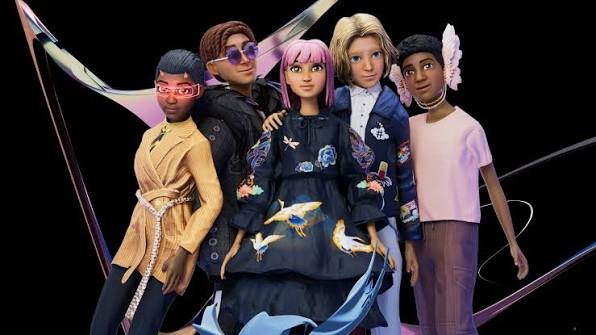
Digital avatars are becoming an important part of modern online life. They act as virtual versions of people in games, social platforms, learning spaces, and digital workplaces. As technology improves, avatars are moving beyond simple cartoon images. They can now copy facial expressions, body movements, voices, and personal styles.
The next generation will use digital avatars in many new ways. Young people may use them to attend virtual classes, meet friends, explore online worlds, and build professional identities. These virtual characters will help users express themselves while keeping some parts of their real identity private.
What Is a Digital Avatar?
A digital avatar is a virtual character that represents a person online. It may look realistic, animated, artistic, or completely fictional. Some avatars use a simple profile picture, while others appear as full 3D characters inside virtual spaces.
Users can change an avatar’s face, hair, clothes, voice, and body shape. They can also select special backgrounds, effects, and accessories. This level of control allows people to create a digital identity that matches their personality or imagination.
Why Digital Avatars Are Growing
Digital communication has changed quickly over the past few years. People now spend more time on video calls, gaming platforms, social media, and virtual communities. Digital avatars make these experiences more personal and interactive.
An avatar can help a user feel present inside an online environment. Instead of typing messages through a blank account, people can communicate through a visible character. This makes digital conversations feel more natural and engaging.
The growth of virtual reality and augmented reality also supports avatar technology. VR headsets can track head and hand movements, while advanced cameras can read facial expressions. These tools allow avatars to respond in real time.
Self-Expression Through Virtual Characters
Digital avatars give users a creative way to show their identity. A person may design an avatar that looks like their real appearance. Others may create a fantasy character, robot, animal, or artistic figure.
Clothing and accessories also play an important role. Users may select modern outfits, cultural clothing, sportswear, or futuristic designs. A bold profile image, such as a tuff PFP, can help someone create a strong and memorable online identity.
Avatars can also give people more confidence. Some users feel shy when showing their real face online. A digital character allows them to communicate without feeling exposed or judged.
Digital Avatars in Education
Future classrooms may use avatars to make online learning more active. Students could enter a virtual classroom as digital characters. They may speak with teachers, work with classmates, and explore 3D learning environments.
For example, students could visit a virtual museum during a history lesson. They could explore the human body during a science class or walk across a digital model of another planet. These experiences may help students understand difficult subjects more clearly.
Teachers could also use avatars to explain lessons. An educational avatar may speak different languages, answer basic questions, or guide students through learning activities. However, human teachers will still remain important for support, creativity, and personal guidance.
Avatars in Gaming and Entertainment
Gaming remains one of the biggest areas for digital avatars. Players use avatars to explore worlds, complete tasks, and interact with other users. Modern games offer detailed tools for character design and customization.
In the future, one avatar may work across several games and platforms. Users might carry the same appearance, clothing, and digital items between different virtual worlds. This could create a more connected online experience.
Digital concerts and virtual events may also use avatars. Fans can attend shows as virtual characters, dance with friends, and buy digital clothing or event items. Artists may perform through realistic or fantasy-style avatars.
Professional Use of Digital Avatars
Digital avatars may also change remote work. Employees could join virtual offices through professional characters instead of normal video calls. This may make online meetings feel more interactive.
Companies could use avatars for customer support, training, and product demonstrations. A digital guide may welcome visitors to a website and explain services. Businesses may also create branded avatars for marketing campaigns.
However, companies must clearly tell users when they are speaking with an automated avatar. People should know whether a real person or an artificial system controls the conversation.
Privacy and Safety Concerns
Digital avatars offer privacy, but they also create new risks. Someone may copy another person’s face, voice, or style without permission. Criminals could use fake avatars to spread false information or trick users.
Platforms must develop stronger identity and safety systems. They should allow users to report impersonation, harassment, and harmful behavior. Parents should also teach children how to protect personal details inside virtual spaces.
Users should avoid sharing addresses, passwords, school details, or private images. A digital avatar can hide a real face, but it cannot protect someone who shares too much personal information.
Artificial Intelligence and Smarter Avatars
Artificial intelligence will make avatars more advanced. Future avatars may understand speech, remember user preferences, and react to emotions. They could help users organize tasks, practice languages, or prepare for interviews.
Some avatars may continue working when their owners are offline. For example, a business avatar could answer basic customer questions. A learning avatar might remind a student about homework or explain a lesson again.
Still, users should control what an avatar can access and remember. Clear privacy settings will be necessary to prevent misuse of personal data.
The Future of Digital Identity
Digital avatars will become a major part of online identity. They will connect gaming, education, social media, shopping, entertainment, and work. Younger users may see their virtual appearance as important as their real-world style.
The best avatar systems will offer creativity, safety, accessibility, and user control. People should be free to design their digital identity without facing harassment or data misuse.
Digital avatars for the next generation will do more than decorate online profiles. They will help people communicate, learn, work, and explore virtual spaces. As technology develops, these virtual characters may become trusted companions in everyday digital life.