
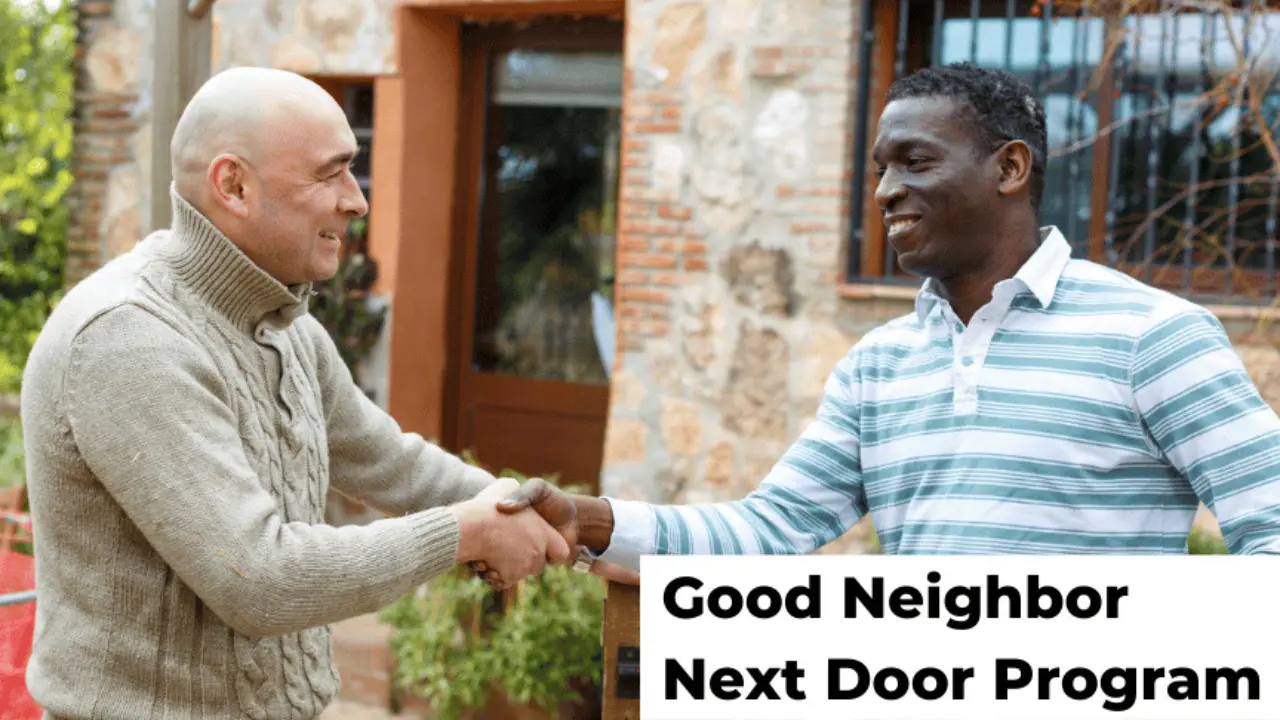
A good neighbor next door is someone who shares a nearby living space with consideration, respect, and reasonable communication. It does not mean becoming close friends, agreeing on everything, or being available all the time. It means recognizing that daily choices—noise, parking, pets, guests, property upkeep, and privacy—can affect the people living nearby.
The strongest neighbor relationships are usually simple and steady. People know each other well enough to communicate when needed, respect boundaries, and address small concerns before they become lasting conflicts.
What makes a good neighbor next door?
A good neighbor is considerate without being intrusive. They understand that homes are private spaces, while also recognizing that close living creates shared responsibilities and occasional inconveniences.
Good neighborliness often shows up in ordinary actions rather than grand gestures:
- Keeping music, gatherings, and outdoor work at reasonable times.
- Respecting driveways, parking spaces, fences, and property lines.
- Controlling pets and cleaning up after them.
- Maintaining their home, yard, balcony, or shared area.
- Giving notice about a party, renovation, delivery, or other disruption when practical.
- Speaking directly and calmly about concerns.
- Respecting a neighbor’s privacy, schedule, and personal boundaries.
The exact expectations differ between detached homes, apartments, condominiums, and rural properties. Still, the basic principle stays the same: use your space in a way that does not unfairly interfere with someone else’s ability to enjoy theirs.
Being friendly is different from being overly involved
A warm greeting and occasional conversation can make a neighborhood feel safer and more welcoming. Yet friendliness should not become pressure to socialize, share personal information, accept favors, or participate in every neighborhood activity.
Healthy boundaries are part of being a considerate neighbor. Some people enjoy chatting regularly; others prefer a brief wave and privacy. Neither approach is rude when it is polite and respectful. A good relationship can be cordial without being close.
Respect privacy in practical ways
Avoid entering someone else’s yard, driveway, or porch without permission unless there is an urgent safety reason. Do not peer into windows, post information about others online, or make assumptions based on visitors, packages, routines, or household choices.
Children may need clear reminders about boundaries too. For example, a child should ask before retrieving a ball from a neighboring yard or using a neighbor’s play equipment.
How to make a positive first impression
A brief introduction is often enough. If you are new to the area, say hello when you naturally meet nearby residents, share your name, and mention the best way to reach you for a practical matter if you are comfortable doing so. There is no need for a long visit.
If you expect a short-term disruption, early notice can prevent frustration. A simple message such as, “We are having a small gathering on Saturday and will keep the noise down,” shows awareness. It does not guarantee that every disturbance is acceptable, but it gives neighbors useful context and an opportunity to raise a concern.
Small acts of reliability can also build trust. Bringing in a bin that has blown over, alerting someone to a package left in heavy rain, or mentioning an open garage door can be helpful. Do not handle another person’s mail, enter their home, or take responsibility for their property without permission.
Everyday habits that reduce neighbor tension
Many disputes do not begin with one major event. They grow from repeated minor frustrations that were never discussed. Paying attention to predictable pressure points makes shared living easier.
Noise and quiet hours
Sound travels farther than people expect, especially through apartment walls, floors, fences, and open windows. Keep televisions, speakers, tools, vehicles, and conversations at a level and time that are reasonable for the setting. Late-night noise and early-morning power equipment are common sources of tension.
If work or a celebration will create extra sound, limit its duration where possible. In a building or community with written noise rules, follow those rules as well as basic courtesy.
Parking and access
Do not block driveways, garages, sidewalks, mailboxes, fire access, or designated spaces. Guests may not realize local parking patterns, so give them clear directions before they arrive. In dense areas, a vehicle that is technically parked can still create a daily access problem for someone else.
Pets
Pet owners can prevent many problems by supervising animals, securing gates, managing persistent barking, and cleaning up waste. Not everyone is comfortable around animals, and some neighbors may have allergies, mobility concerns, or pets of their own. Asking before allowing a pet onto another person’s property is a simple sign of respect.
Outdoor spaces and shared boundaries
Keep trash, tools, and outdoor items from drifting into common areas or nearby yards. Before trimming vegetation near a boundary, installing a fence, placing a structure, or making changes that could affect drainage or access, communicate early. Property rules and local requirements may apply, so practical neighborly communication does not replace checking applicable rules when a project is significant.
How to raise a concern without making things worse
Addressing a problem early, privately, and specifically usually works better than letting resentment build. Begin with the assumption that the other person may not realize there is an issue.
- Choose a calm time. Do not start the conversation while you are angry or while the disturbance is happening, unless an immediate safety issue requires action.
- Describe the behavior, not the person’s character. Say, “The bass is coming through the wall after midnight,” rather than “You are inconsiderate.”
- Explain the effect briefly. For example, “It is waking our child,” or “We cannot get our car out.”
- Make a clear, realistic request. Ask for quieter hours, a different parking spot, or advance notice for planned work.
- Listen to the response. There may be a practical detail you do not know, and a workable compromise may be available.
Written messages can help when schedules do not overlap, but keep them brief and neutral. Avoid public complaints, insults, threats, or recruiting other neighbors into a personal disagreement. Those choices often harden positions and make future communication harder.
Streamate Lawsuit Explained: Key Insights and Legal Implications
When direct conversation is not enough
Some concerns are repeated, serious, or difficult to discuss face-to-face. In an apartment building, condominium, or managed community, the property manager or homeowners’ association may have a process for reporting issues involving shared spaces or community rules. Keep a factual record of dates, times, and what occurred if a pattern needs to be explained.
Immediate safety hazards, violence, threats, fire risks, or suspected emergencies call for appropriate emergency or local support rather than a neighborly conversation. For ongoing issues involving property, housing rules, or local ordinances, the relevant authority or a qualified local professional can explain the options that apply in that location.
What to do when you have a difficult neighbor
You cannot control another household’s habits, but you can control how you respond. Stay focused on a specific problem and protect your own routine and safety. Avoid retaliatory noise, blocking access, online shaming, or damage to property; these actions can escalate a situation quickly.
Where reasonable, use practical measures on your own property. Examples include closing windows during predictable noise, using curtains for privacy, improving lighting on your side of a boundary, or arranging deliveries for a safer location. These steps are not a substitute for addressing a serious issue, but they can reduce day-to-day stress.
Isotonix Lawsuit: Unveiling the Legal Disputes Surrounding the Brand
It also helps to accept that a neighbor does not have to share your preferences to be respectful. Different work shifts, family routines, cultural customs, hobbies, and lifestyles can coexist when each household stays within reasonable limits and communicates with care.
Why good neighbor relationships matter
Neighborliness is not only about avoiding complaints. Familiarity can make it easier to notice a problem, such as a loose pet, a burst pipe, smoke, or an unfamiliar person trying to enter a home. It can also make ordinary life feel less isolated, particularly for people who live alone or are new to an area.
Trust should grow at a comfortable pace. Exchange contact information only if you want to, and be clear about what help you can realistically offer. A neighbor who can occasionally accept a package is useful; a neighbor who expects unlimited access to your time is crossing a boundary.
Frequently Asked Questions
Do good neighbors have to be friends?
No. Mutual respect, clear communication, and basic courtesy matter more than friendship. A polite relationship with healthy distance can work very well.
Should I tell my neighbors before having a party?
It is usually considerate to give nearby neighbors notice if a gathering may bring extra cars or noise. Notice does not remove the need to keep the event reasonable and follow any building or community rules.
What is the best way to complain about neighbor noise?
Speak privately when it is safe and appropriate. Describe the specific noise, when it happens, and how it affects you, then make a calm request. If it continues, use the reporting process available in your building or community.
Is it rude not to share my phone number with a neighbor?
No. Sharing contact details is optional. You can remain polite and still choose the level of access that feels comfortable.
How can I help a neighbor without overstepping?
Offer a specific, limited form of help and allow them to decline. For example, you might ask whether they would like you to bring in a bin during a storm rather than assuming they want ongoing assistance.
Respectful Approach
Being a good neighbor next door is less about perfection than consistent consideration. Keep disruptions reasonable, respect privacy and boundaries, communicate directly about concerns, and offer help without pressure. Those habits give nearby households the space to live differently while still sharing a peaceful community.