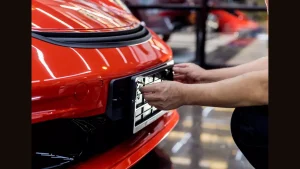

Vehicle registration laws help states identify cars, improve road safety, and support law enforcement activities. In Texas, one common topic among drivers is the requirement for having a license plate on both the front and rear of a vehicle. The texas front license plate law explains when drivers must display a front license plate and what happens if they fail to follow the rule.
Many Texas drivers remove their front plates because they prefer a cleaner vehicle appearance or because their car design does not have a front mounting area. However, Texas law generally requires most vehicles to display two license plates. Understanding these rules helps drivers avoid unnecessary penalties and legal issues.
What Is Texas Front License Plate Law?
Texas requires most passenger vehicles registered in the state to have both a front and rear license plate. The front plate must be clearly visible and properly attached to the vehicle. This requirement allows police officers and automated systems to identify vehicles from different directions.
The texas front license plate law applies to cars, trucks, and other vehicles unless they qualify for specific exceptions. The law exists because having two plates increases vehicle identification opportunities, especially during traffic stops, accidents, and investigations.
Drivers who operate a vehicle without a required front plate may receive a citation. While enforcement can vary between areas, vehicle owners should understand that the requirement remains part of Texas transportation regulations.
Isotonix Lawsuit: Unveiling the Legal Disputes Surrounding the Brand
Why Does Texas Require Front License Plates?
Front license plates provide several benefits for public safety and traffic management. Law enforcement agencies use front plates to identify vehicles approaching from the front, while cameras and toll systems can also use plate information.
A front plate can help in situations such as:
- Vehicle theft investigations
- Hit-and-run cases
- Traffic violations
- Parking enforcement
- Road safety monitoring
Although some drivers believe a rear plate is enough, Texas officials consider front plates an important tool for vehicle identification. The additional plate creates another way to track and confirm vehicle information.
Vehicles That Must Display Two License Plates in Texas
Most standard vehicles registered in Texas need both front and rear plates. These include:
| Vehicle Type | Front Plate Required? | Details |
|---|---|---|
| Passenger Cars | Yes | Must display front and rear plates |
| Pickup Trucks | Yes | Required unless an exception applies |
| SUVs | Yes | Must have two plates |
| Commercial Vehicles | Usually yes | Requirements depend on registration type |
| Motorcycles | No front plate | Only rear plate required |
The texas front license plate law mainly affects regular vehicles that have been designed to carry a front plate. Vehicle owners should check their registration category to understand their exact requirements.
Exceptions Under Texas Front License Plate Law
Texas provides some exceptions for certain vehicles that cannot properly display a front plate. Some vehicles may qualify for a single rear plate if they meet specific requirements.
For example, certain vehicles that were manufactured without a front plate mounting area may receive an exception. Specialty vehicles, antique vehicles, and certain registered vehicles may also have different rules.
However, having an expensive vehicle or a vehicle with a unique design does not automatically remove the front plate requirement. Drivers must meet official requirements before operating without a front plate.
Some vehicle owners apply for a front plate exemption when their car design makes installation difficult. Approval depends on Texas regulations and registration procedures.
Streamate Lawsuit Explained: Key Insights and Legal Implications
Penalties for Not Having a Front License Plate
Drivers who fail to follow the front plate requirement may face legal consequences. In many cases, the violation is treated as a traffic offense rather than a serious crime.
Possible consequences include:
| Violation | Possible Result |
|---|---|
| Missing Front Plate | Traffic citation |
| Improper Plate Display | Fine or warning |
| Repeated Violations | Increased enforcement attention |
The exact penalty may depend on the county, court, and circumstances of the violation. Some officers may issue warnings, while others may write citations.
Following the texas front license plate law is usually easier and less expensive than dealing with tickets or court requirements.
How to Properly Install a Front License Plate in Texas
Texas drivers should make sure their front plate is easy to see and securely attached. The plate should not be covered by objects, damaged, or placed in a location that blocks visibility.
A proper installation should:
- Keep the plate visible from the front
- Use a secure mounting system
- Avoid covering numbers or letters
- Prevent the plate from falling off while driving
Some modern vehicles do not include traditional front plate brackets. In these cases, owners can use approved mounting options that do not damage the vehicle.
Drivers should avoid placing the plate inside the windshield because this may not meet legal display requirements.
Front License Plate Rules for Luxury and Sports Cars
Many luxury and sports car owners question whether their vehicles need front plates. Some high-end vehicles have designs that make front plate installation difficult, which creates confusion among drivers.
However, vehicle value or appearance alone does not automatically exempt it. Owners of sports cars should still follow state requirements unless their vehicle qualifies for an official exception.
Manufacturers often provide front plate solutions, including removable brackets or special mounting systems. Using these options helps owners protect their vehicles while staying compliant with Texas rules.
How Front License Plate Enforcement Works in Texas
Enforcement of front plate requirements depends on local police departments and individual circumstances. Some areas may focus more heavily on missing plates, while others may issue warnings during routine traffic stops.
Police officers may notice missing front plates during:
- Traffic stops
- Road inspections
- Accident investigations
- Parking checks
Because enforcement practices can change, drivers should not assume that missing front plates will always be ignored. Keeping the vehicle compliant helps prevent unexpected problems.
Common Questions
Do all cars in Texas need a front license plate?
Most passenger vehicles in Texas must display both front and rear license plates. Some vehicles qualify for exceptions based on registration type or design limitations.
Can I drive without a front plate in Texas?
You may only drive without a front plate if your vehicle qualifies for a legal exception. Otherwise, Texas law requires a front plate display.
Are there fines for missing a front license plate?
Yes, drivers may receive a traffic citation for failing to display a required front plate. The amount can vary depending on local enforcement and court decisions.
Can luxury cars get a front plate exemption?
Luxury vehicles do not automatically receive exemptions. Owners must follow the same rules unless their vehicle qualifies under Texas regulations.
Final Thoughts
The texas front license plate law exists to improve vehicle identification and support public safety efforts throughout the state. While some drivers prefer the appearance of vehicles without front plates, Texas generally requires two plates for most registered vehicles.
Understanding the rules, exceptions, and possible penalties helps drivers make better decisions. Installing a proper front plate is a simple step that can prevent citations and keep vehicles compliant with state requirements.
For Texas drivers, following the law is the easiest way to avoid unnecessary issues while continuing to enjoy safe and responsible driving. The front license plate requirement may seem small, but it plays an important role in modern transportation and vehicle accountability.