
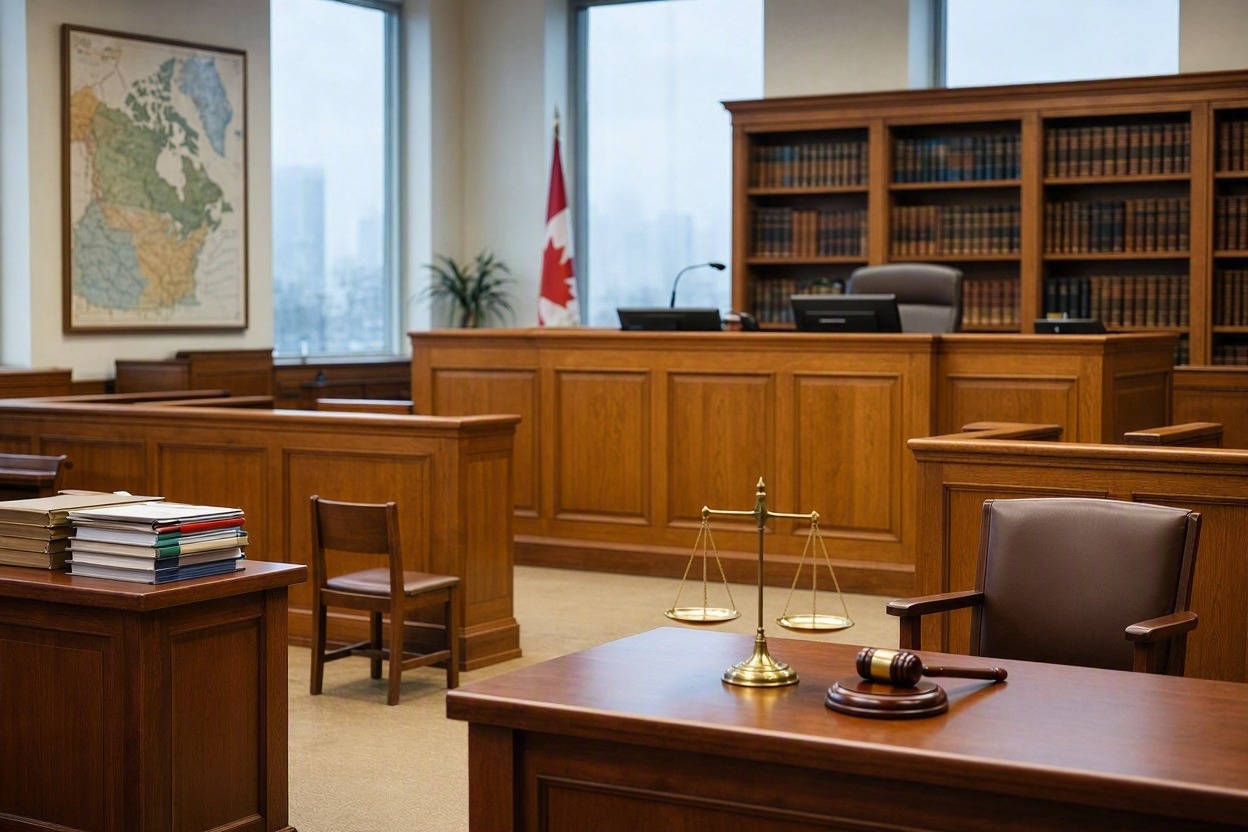
Finding out your teenager has been charged with a crime is a frightening moment for any parent. The questions come fast. Will this follow them for life? Do they need a lawyer right away? Will they end up in the same system as adults?
The good news is that Canada treats young people differently than adults when it comes to criminal charges. A separate law, a separate court process, and a different set of goals apply. Understanding how this system works can help families make better decisions from the very first phone call.
Who Counts as a Young Person Under the Law
In Canada, the youth justice system applies to anyone who is 12 years old or older but under 18 at the time of the alleged offence. Children under 12 cannot be charged with a crime at all. Instead, concerns about their behaviour are usually handled through child welfare services rather than the courts.
Once a young person turns 18, any new charges fall under the adult system, even if an earlier matter from their teenage years is still working through the youth court.
The Law That Governs Youth Cases
Youth cases in Canada are governed by the Youth Criminal Justice Act, often shortened to the YCJA. This law replaced an older statute in 2003 and was built around a different philosophy than the adult Criminal Code.
The YCJA focuses on three main goals:
- Preventing youth crime by looking at what caused the behaviour in the first place
- Helping young people take responsibility and rehabilitate rather than simply punishing them
- Supporting reintegration into school, family, and community life after a case concludes
This approach recognizes that teenagers are still developing and that a heavy-handed response can do more harm than good.
How Youth Court Differs From Adult Court
Several practical differences separate youth court from the adult system.
Separate Courtrooms and Records
Youth cases are heard in a dedicated youth justice court, not alongside adult matters. Records are also treated with more privacy protection. In most cases, the identity of a young person charged with an offence cannot be published in the media, which is very different from how adult cases are often reported.
Focus on Extrajudicial Measures
Before a case even reaches a courtroom, police and prosecutors are encouraged to consider extrajudicial measures. These can include a formal warning, a referral to a community program, or a sentence-like agreement that resolves the matter without a trial. For less serious offences, this keeps many young people out of the court system entirely.
Different Sentencing Options
If a young person is found guilty, sentencing looks different from the adult system. Custody is meant to be used sparingly and only for more serious or repeat offences. Courts often lean toward options such as probation, community service, counselling programs, or an intensive supervision order instead of jail time.
Shorter and More Structured Timelines
Youth cases are generally expected to move faster than adult cases. The idea is that lengthy delays are especially harmful for a teenager whose life, school, and development continue while the case is pending.
Can a Youth Be Tried as an Adult?
In rare and serious cases, such as very serious violent offences, the Crown can apply to have a young person sentenced as an adult. This does not happen automatically. A court must weigh several factors, including the seriousness of the offence, the young person’s history, and whether an adult sentence is truly necessary to hold them accountable. These applications are uncommon and are reserved for the most serious circumstances.
Why Legal Advice Matters Early
Parents sometimes assume that because the system is designed to be less harsh, a lawyer is not necessary. This is a mistake. A young person still has legal rights, including the right to consult a lawyer before speaking with police, and the right to have a parent or another responsible adult with them during questioning.
Early legal advice can help in several ways:
- Making sure police follow proper procedure when questioning a minor
- Exploring whether extrajudicial measures are available before charges proceed further
- Protecting the young person’s privacy and record going forward
- Guiding the family through what to expect at each stage of the process
Working with an experienced criminal lawyer toronto families trust for youth matters can make a real difference in how a case unfolds, especially when decisions made early on can shape the options available later.
The Long-Term Impact of a Youth Record
Even under the YCJA, a finding of guilt can create a youth record. These records are treated differently than adult criminal records and are generally sealed or destroyed after a set period, depending on the offence. Still, while a record is active, it can affect things like international travel, certain job or volunteer opportunities, and school disciplinary matters. This is part of why getting the right advice early matters so much, even within a system built around second chances.
Learning More About the Youth Justice System
The federal government publishes detailed information on how the youth justice system works and the principles behind it. The Department of Justice Canada explains that the Youth Criminal Justice Act applies to youth aged 12 to 17 and is meant to provide a fairer and more effective response to youth crime than earlier laws did. Families dealing with a youth charge may find it helpful to review this material alongside advice from a lawyer.
What Parents Can Do Right Now
If your child has been charged or is being questioned by police, a few steps can help protect them:
- Stay calm and avoid discussing the details of the alleged offence with your child until you have legal advice.
- Do not let your child speak with police alone without first consulting a lawyer.
- Write down what you know, including dates, officer names, and what was said during any contact with police.
- Contact a lawyer experienced in youth matters as early as possible.
- Ask about extrajudicial measures, since these may resolve the matter without a formal court record.
The youth justice system in Canada is built around a different set of values than the adult system, with a stronger focus on rehabilitation, privacy, and second chances. That does not mean the process is simple or that a young person’s rights protect themselves automatically. Getting experienced legal advice early remains one of the best ways for a family to protect a young person’s future while the case moves through the system.