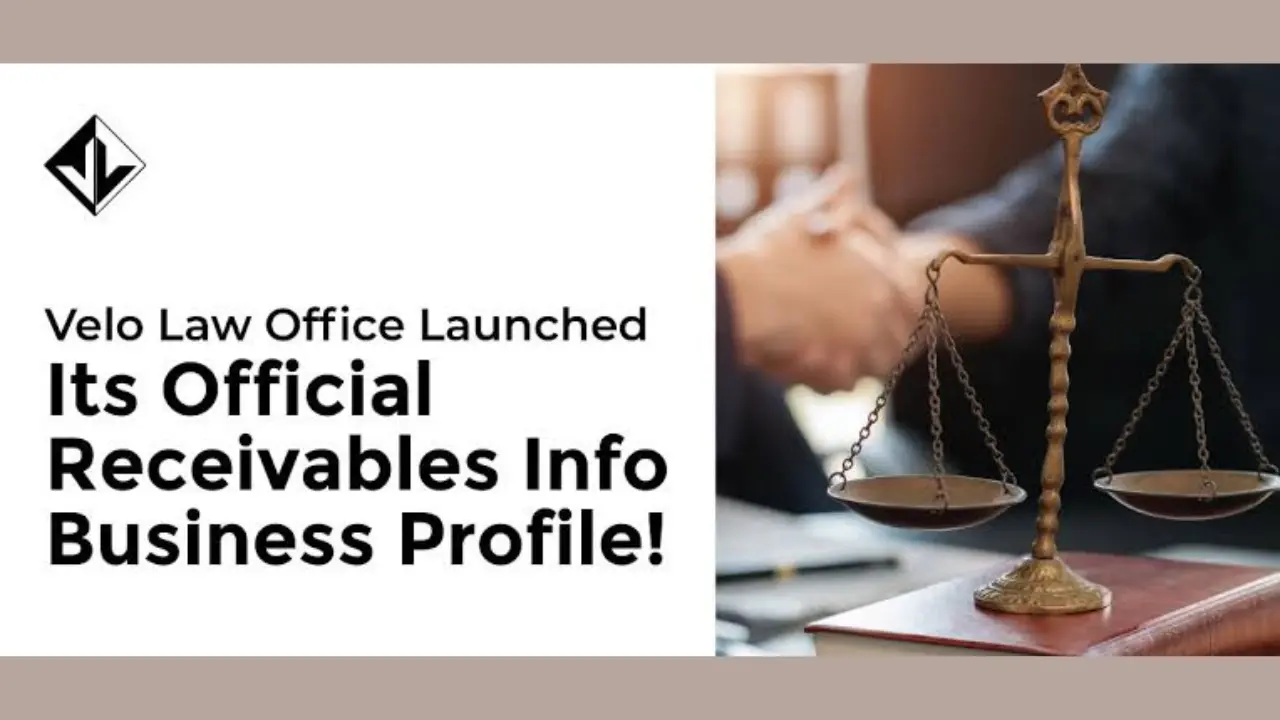
Velo Law Office is a United States firm focused on creditor rights and debt collection. It is headquartered in Grand Rapids, Michigan, and supports businesses seeking recovery of unpaid consumer or commercial accounts. The firm combines traditional collections, legal collections, technology, and compliance-based workflows. Its public website also identifies the business as a debt collector when it contacts consumers.
Understanding the firm’s role helps creditors and consumers respond correctly. A business may see it as a recovery partner, while a consumer may learn about it through a letter, call, lawsuit, or garnishment document. This guide explains its background, services, payment options, dispute process, and basic consumer protections.
What Is Velo Law Office?
Velo Law Office was founded in 2010 as a creditor-rights and collection law firm. Its official site lists Grand Rapids as its headquarters and says the practice operates across several states. The firm also reports a team of more than 60 people, including attorneys, paralegals, collectors, and support staff.
A creditor-rights firm represents organizations that claim they are owed money. Clients may include banks, healthcare providers, landlords, lenders, collection agencies, and other businesses. The firm may seek voluntary payment first, while some accounts can move toward legal action when the client authorizes it and the law permits it.
Main Collection and Legal Services
The firm provides collection and legal recovery services. Traditional work may involve account reviews, letters, calls, payment discussions, settlement proposals, and payment-plan requests. Legal collections can include filing claims, obtaining judgments, and pursuing lawful remedies after judgment.
Its broader work may include bankruptcy claims, replevin, eviction, foreclosure, and garnishment support. The exact service depends on the account, state, contract, client instructions, and governing law. A creditor should confirm fees, representation terms, and the litigation approval process before placing accounts.
Isotonix Lawsuit: Unveiling the Legal Disputes Surrounding the Brand
Technology and Account Management
One feature highlighted by velo law office is its use of technology. The firm says it uses electronic data imports, internal systems, commercial data sources, automation, and organized workflows. These tools can support account tracking, deadline management, reporting, and communication records.
Technology can improve speed, but human review still matters. Collection files may contain an old address, wrong balance, duplicate entry, identity problem, or outdated payment record. A sound process should combine automation with document checks, legal supervision, and secure handling of personal data.
Compliance and Professional Standards
Debt collection follows federal and state rules. The Fair Debt Collection Practices Act prohibits covered collectors from using abusive, deceptive, or unfair methods when collecting qualifying consumer debts. Federal rules also address validation notices, dispute procedures, communication practices, and required account information.
The firm states that it is a Certified Receivables Business through Receivables Management Association International. It also presents compliance, training, quality control, and policy updates as important parts of its operations. Certification does not guarantee a result, but it shows that a company has adopted formal operating standards.
Streamate Lawsuit Explained: Key Insights and Legal Implications
Businesses and Industries Served
Medical providers may seek help with patient balances, landlords may pursue unpaid rent, and finance companies may recover delinquent loans. Retailers, service companies, auto finance businesses, and fintech lenders may also use collection or legal recovery services.
A combined collection and litigation system may reduce file transfers between vendors. However, creditors should compare fees, reports, attorney access, complaint handling, data protection, state coverage, and the circumstances in which court costs become payable.
What to Do After Receiving a Collection Letter
A collection letter should not be ignored. Read every page and identify the creditor, claimed amount, account number, response deadline, and official contact details. Keep a copy of the complete notice. Do not provide payment or sensitive information until you have confirmed the sender and reviewed the account.
Federal rules generally require validation information, including the creditor’s identity, the amount claimed, and instructions for disputing the debt. The Consumer Financial Protection Bureau explains that a consumer commonly has 30 days after receiving this information to dispute all or part of the debt in writing. A timely written dispute can require the collector to pause collection of the disputed amount until it responds properly.
How to Dispute an Account
The official FAQ for velo law office directs people who believe they do not owe a debt to submit a dispute through its contact process. Reasons may include mistaken identity, an incorrect balance, an account already paid, identity theft, or a debt belonging to another person.
A dispute should explain the problem and include copies of supporting records. Evidence may include receipts, bank statements, account letters, credit reports, identity-theft documents, or court papers. Keep the originals, save a dated copy, and retain proof of delivery.
Payment Methods and Payment Plans
The firm’s FAQ says consumers can use checks, money orders, bank checks, certain cards, and electronic bank payments. Payments may be made online, by phone, or by mail. Consumers should confirm that payment details match the official website before sending money.
People who cannot pay the full balance may propose a payment plan or settlement. The firm provides a Monthly Financial Statement to review a proposed plan. Submission does not guarantee approval, and the website advises consumers to confirm acceptance if they receive no response within seven business days.
Any agreement should be requested in writing. It should list the amount, due dates, payment method, settlement terms, and what happens after the last payment. Keep every receipt and protect confidential financial details.
What Happens When a Lawsuit Is Filed?
A summons and complaint are formal court documents. The firm’s FAQ states that receiving a summons means a lawsuit has been filed. Court papers normally include a deadline for an answer or another required response.
Ignoring a lawsuit may lead to a default judgment and further enforcement. A person served with court papers should verify the case through the official court, record every deadline, and consider contacting a licensed consumer attorney or legal-aid organization.
Garnishment and Employer Responsibilities
After a valid judgment, a creditor may seek garnishment where the law allows it. Garnishment may affect wages, bank funds, or other property, although exemptions and procedures differ by state.
The firm provides garnishee calculation and disclosure resources for employers. Its site also advises employers to consider consulting their own attorney because the process can involve technical duties and strict deadlines.
How Creditors Can Evaluate the Firm
A creditor considering Velo Law Office should look beyond marketing claims. Important questions include state coverage, accepted account types, fee structure, reporting frequency, complaint handling, litigation approval, and attorney involvement. Creditors should also review policies for bankruptcies, disputes, military protections, and personal data.
The firm publishes information about the Servicemembers Civil Relief Act and provides a process for reporting possible military protection. Active-duty status can affect certain court, interest, default, and enforcement procedures.
Final Thoughts
This business is best understood as a multi-state creditor-rights and collection practice, not a general firm for every legal problem. It supports business clients seeking account recovery and offers consumers channels for payments, proposed plans, disputes, and account questions.
Anyone contacted by Velo Law Office should verify the debt, protect deadlines, keep written records, and take court papers seriously. Creditors should review their services, compliance controls, technology, costs, and reporting before engagement. Clear records and timely communication can help both sides handle a collection matter more accurately.