A switched at birth lawsuit can begin when a person discovers that a hospital mistakenly sent them home with the wrong family after birth. Such cases are extremely unusual, but modern DNA testing has made it possible for families to uncover mistakes that remained hidden for decades.
These cases raise difficult questions about hospital responsibility, family identity, emotional harm, and compensation. Recent cases in the United States show how one mistake in a maternity ward can affect parents and children for the rest of their lives.
What Is a Switched at Birth Lawsuit?
A switched at birth lawsuit is a legal action connected to an alleged hospital error in which two newborn babies were incorrectly identified or given to the wrong parents.
The affected individuals or families may argue that the hospital failed to follow reasonable identification and safety procedures. The exact legal claims and available damages depend on the facts of the case and the law in the relevant state.
Some cases remain undiscovered for many years. A person may grow up believing that the parents who raised them are also their biological parents until DNA testing reveals an unexpected genetic relationship.
Streamate Lawsuit Explained: Key Insights and Legal Implications
Recent North Dakota Switched at Birth Case
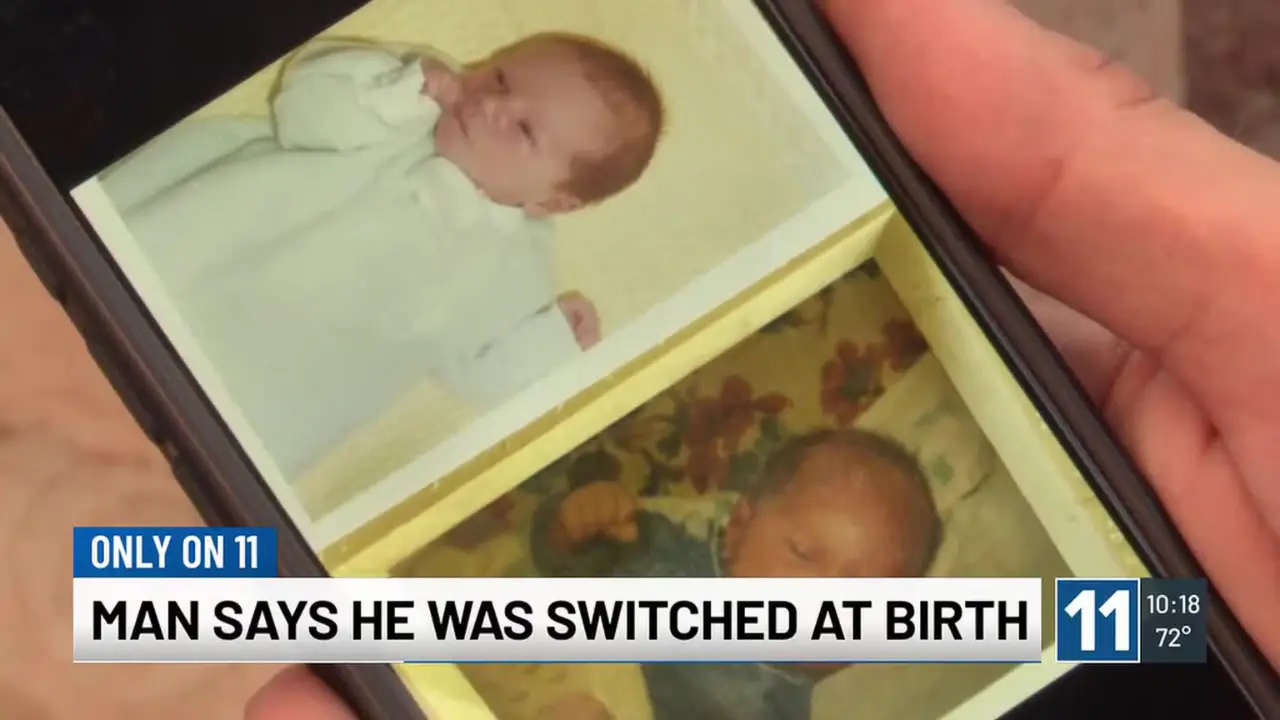
One major case reported in July 2026 involves Kyle Bylin and Jeremy Morrison. According to the lawsuit and news reports, the two men were born on January 26, 1988, at Unity Medical Center in Grafton, North Dakota.
The lawsuit alleges that they were the only two babies born at the hospital that day. Their families say the boys were switched and each child went home with the other child’s biological family.
| Case Detail | Information |
|---|---|
| Men involved | Kyle Bylin and Jeremy Morrison |
| Birth date | January 26, 1988 |
| Hospital | Unity Medical Center |
| Location | Grafton, North Dakota |
| Discovery | DNA testing |
| Time before discovery | More than 36 years |
| Main allegation | Babies were sent home with the wrong families |
The truth emerged decades later through consumer DNA testing and genealogy research. Reports state that Bylin’s DNA results connected him to a biological relative, which eventually led the families to investigate further.
Additional DNA testing provided evidence of the biological relationships. The discovery completely changed what the two families understood about their histories.
The hospital has acknowledged that a switch occurred but has disputed responsibility by its staff, according to the Associated Press. The passage of almost four decades has also created challenges because relevant records and employees from that period may no longer be available.
Isotonix Lawsuit: Unveiling the Legal Disputes Surrounding the Brand
Why Are the Families Suing the Hospital?
The switched at birth lawsuit involving the North Dakota families centers on allegations of negligence and emotional harm caused by the mix-up.
For decades, each man lived with a family that was not biologically his own, unaware of the truth. Discovering this as an adult can evoke complex feelings about identity, childhood experiences, biological relatives, and missed family connections.
A lawsuit may therefore involve much more than correcting a birth record. Plaintiffs can argue that the hospital’s alleged failure changed the course of their lives.
However, filing a lawsuit does not automatically establish liability. Courts must consider evidence, applicable laws, procedural requirements, and defenses raised by the hospital.
How DNA Testing Can Reveal a Birth Switch
Consumer DNA testing has transformed the way people investigate their ancestry. A person can submit a DNA sample and potentially discover relatives who have also participated in genetic databases.
Unexpected matches can raise serious questions. For example, someone may discover that a person identified as an aunt, sibling, or cousin has a genetic relationship that does not match the family’s known history.
In the North Dakota case, DNA testing played a central role in uncovering what happened. What began with an at-home test eventually connected people who did not realize they were biologically related.
DNA evidence can become especially important in a switched at birth lawsuit because decades-old hospital records may be incomplete or unavailable. Genetic testing can establish biological relationships even when paperwork provides few answers.
Another Case Involving a New York Hospital
The North Dakota case is not the only example. Kevin McMahon of Long Island has also pursued legal action against Jamaica Hospital Medical Center after learning that he was allegedly switched with another newborn more than six decades earlier.
Kevin McMahon and Ross McMahon, who were not related despite sharing a surname, were reportedly born at Jamaica Hospital in New York in 1960. They were born less than two hours apart.
According to reporting on the case, Kevin learned about the unexpected family connection after DNA testing produced results that did not match the family history he had always known.
Further investigation indicated that each baby had allegedly gone home with the other’s biological parents. By the time the discovery occurred, the parents involved had died, making the revelation even more emotionally complicated.
What Legal Claims Can Families Make?
Every switched at birth lawsuit depends on the jurisdiction and circumstances. Families cannot assume that the same claims or compensation will apply to every case.
Negligence is one possible legal theory. Plaintiffs may argue that a hospital owed patients a duty of reasonable care but failed to use appropriate procedures to identify and return newborns to their parents.
Emotional distress may also become an important part of a case. Learning that decades of family history developed because of an alleged hospital mistake can cause severe psychological and emotional consequences.
Medical malpractice or health care liability laws can sometimes apply as well. For example, a Texas appeals court ruled in a separate switched-at-birth dispute that claims involving the misidentification of newborns and medical records fell under the state’s health care liability framework.
| Legal Issue | What It May Involve |
|---|---|
| Negligence | Failure to use reasonable procedures |
| Hospital liability | Responsibility for actions of hospital staff |
| Emotional distress | Psychological impact of discovering the switch |
| Medical records | Incorrect identification or documentation |
| DNA evidence | Proof of biological relationships |
| Damages | Financial compensation if legally available |
| Filing deadlines | Rules limiting when claims may be filed |
The precise legal classification matters because different claims can have different evidence requirements and filing deadlines.
Can Someone Recover Damages for Emotional Distress?
Emotional damages have played an important role in previous switched-at-birth litigation.
In Larsen v. Banner Health System, the Wyoming Supreme Court considered whether a mother and daughter separated because of a baby switch could recover purely emotional damages through negligence claims. The court answered the certified question in the affirmative under Wyoming law.
That ruling does not mean every person involved in a similar case automatically qualifies for compensation. Laws vary considerably between states, and courts evaluate the specific facts and legal arguments before them.
Still, it demonstrates why emotional injury can become a major element of litigation involving family separation caused by an alleged hospital mistake.
Why Statutes of Limitations Can Become Complicated
A major challenge in a switched at birth lawsuit is the amount of time that may pass before anyone discovers the mistake.
Ordinary negligence and medical malpractice claims usually have deadlines. However, birth-switch cases can remain hidden for decades because parents and children have no reason to suspect an error.
This creates complicated legal questions about when the filing period begins. Depending on local law, courts may consider when an injury occurred, when plaintiffs discovered it, or when they reasonably should have discovered it.
Anyone dealing with a real case should therefore seek advice from a qualified attorney in the relevant jurisdiction rather than relying on general filing deadlines found online.
Emotional Impact on Parents and Children
The emotional consequences of discovering a birth switch can be enormous. Biology may change a person’s understanding of their family history, but it does not erase decades of relationships.
A person may deeply love the parents who raised them while also wanting a relationship with their biological parents and siblings. Those feelings can exist at the same time.
Parents may also struggle with the knowledge that their biological child grew up somewhere else. They can experience grief over missed birthdays, childhood memories, family traditions, and other experiences they can never recreate.
At the same time, families may form new relationships after the discovery. There is no single correct emotional response to learning about a birth switch.
How Modern Hospitals Reduce the Risk of Baby Mix-Ups
Hospital identification systems have developed significantly over the decades. Many maternity units now rely on multiple safeguards rather than a single name card or visual identification.
Hospitals may use matching identification bands, electronic security systems, medical records, staff verification procedures, and other controls to maintain the correct connection between newborns and parents.
Modern technology can reduce risk, but procedures still depend on careful implementation by medical staff. Identification protocols exist because even a rare mistake can have life-changing consequences.
Why These Lawsuits Attract Public Attention
A switched at birth lawsuit attracts attention because it challenges basic ideas about family and identity. Most people assume that the baby brought to a parent in a hospital is unquestionably their child.
When that assumption turns out to be wrong decades later, the effects extend far beyond biology. The discovery can change medical histories, sibling relationships, family trees, inheritance questions, and personal identity.
Consumer DNA databases have also created new opportunities to uncover old mistakes. A hospital error that might once have remained unknown forever can now surface through a single unexpected genetic match.
What Happens After a Birth Switch Is Discovered?
Families usually need reliable genetic evidence before reaching major conclusions. Professional DNA testing can help establish biological relationships more clearly than assumptions based on appearance or family resemblance.
Legal advice may also become important because hospital liability, medical records, privacy rules, damages, and filing deadlines differ between jurisdictions.
Families may also choose counseling or other emotional support while adjusting to their new relationships. A court case can address legal responsibility, but it cannot automatically resolve the personal effects of discovering an entirely different biological history.
Final Thoughts
The switched at birth lawsuit cases emerging in the United States show how DNA technology can uncover hospital mistakes many decades after they allegedly occurred. The recent North Dakota case involving Kyle Bylin and Jeremy Morrison is a striking example of families discovering that two lives followed different paths after a reported newborn mix-up.
These lawsuits involve complicated questions about negligence, evidence, emotional distress, hospital responsibility, and legal deadlines. Above all, they show that a birth switch is not simply an administrative error. For the people involved, discovering the truth can reshape their understanding of family, identity, and the lives they might otherwise have lived.