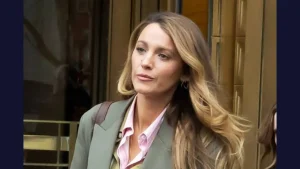
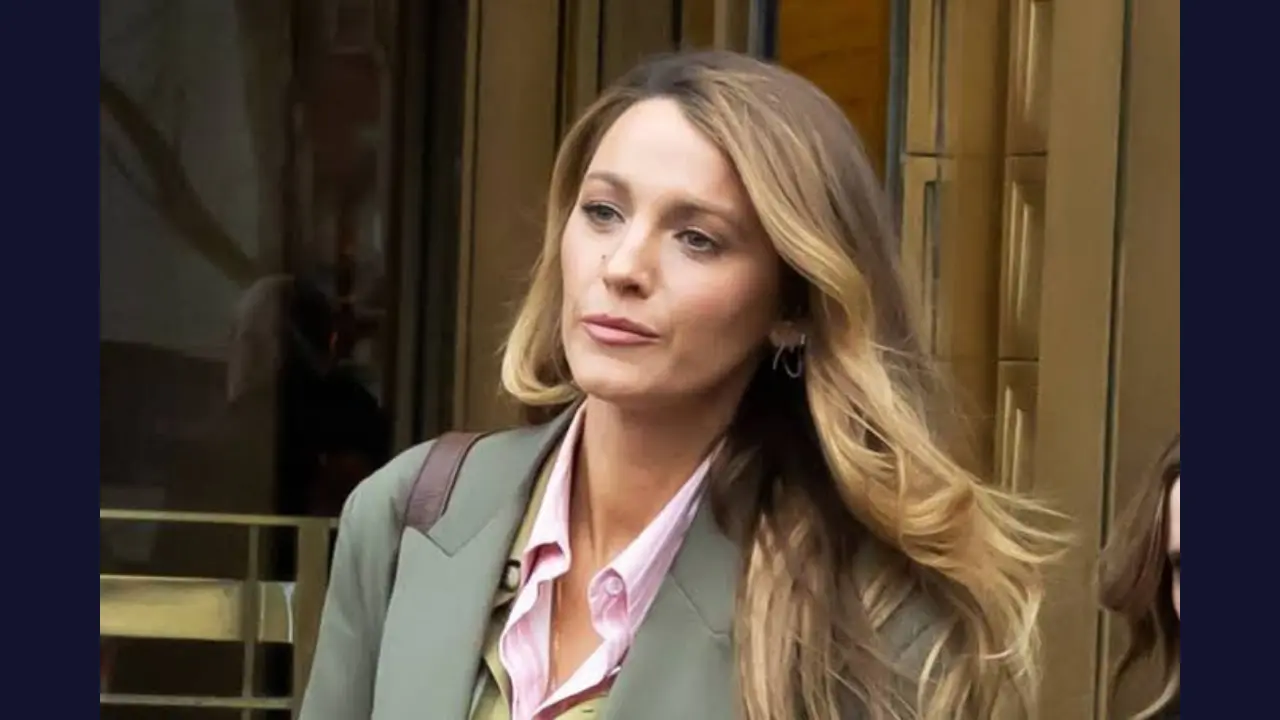
The Blake Lively Lawsuit refers primarily to a federal civil case that actress Blake Lively filed against actor and filmmaker Justin Baldoni, Wayfarer Studios, and other defendants connected with the film It Ends With Us. Lively alleges sexual harassment, retaliation, and a coordinated effort to damage her reputation after she raised concerns about conduct during the film’s production and promotion. The defendants have denied wrongdoing and disputed her account.
This is not a consumer class action, and there is no verified settlement fund or public claim process for consumers. The dispute remains a private, high-profile civil matter. This article separates Lively’s allegations, the defendants’ responses, and court developments that have been publicly reported through June 2025.
What Is the Blake Lively Lawsuit About?
The Blake Lively lawsuit concerns alleged conduct surrounding the production and release of It Ends With Us. Lively claims that Baldoni and others engaged in inappropriate behavior and later retaliated against her after she raised workplace concerns. The defendants deny the allegations.
On December 31, 2024, Lively filed her lawsuit in the U.S. District Court for the Southern District of New York. The case is commonly identified in public reporting as Lively v. Wayfarer Studios LLC et al., No. 1:24-cv-10049-JLR.
Lively’s suit followed a complaint she filed with the California Civil Rights Department on December 20, 2024. An administrative complaint and a federal lawsuit are different proceedings: the former is a complaint submitted to a state civil-rights agency, while the latter asks a federal court to decide civil claims and potentially award relief.
Who Is Involved in the Case?
Blake Lively is the plaintiff in the federal action. Her complaint names Justin Baldoni, Wayfarer Studios and several individuals and entities associated with the film’s production, publicity, and distribution-related work as defendants. The exact list of parties and claims can change through amended pleadings or court rulings.
Baldoni directed and co-starred in It Ends With Us and was affiliated with Wayfarer Studios. The public dispute also involved Lively’s husband, Ryan Reynolds, and The New York Times, but their roles arose chiefly in separate litigation brought by Baldoni and related parties, not because Reynolds was a plaintiff in Lively’s primary federal action.
Streamate Lawsuit Explained: Key Insights and Legal Implications
What Does Lively Allege?
Lively’s allegations are claims in a civil complaint; they are not court findings. She alleges that problems arose during the production of the film and that a meeting was held to address requested workplace protections and boundaries.
Alleged Harassment and Hostile Work Environment
According to Lively’s complaint, she experienced sexual harassment and conduct that contributed to a hostile work environment. Her allegations include claims about interactions during filming and alleged unwanted or inappropriate conduct. The defendants have disputed Lively’s account and denied that they engaged in wrongful conduct.
Alleged Retaliation and Reputation Harm
Lively further alleges that, after she raised concerns, Baldoni and others participated in a retaliatory communications effort intended to harm her reputation. Her complaint points to alleged media and social-media activity surrounding the movie’s release.
The legal theories asserted in Lively’s action include claims under federal and state law related to harassment and retaliation, as well as claims tied to alleged interference and reputational harm. The precise viability of each claim depends on the pleadings, evidence, motions, and eventual court decisions.
Isotonix Lawsuit: Unveiling the Legal Disputes Surrounding the Brand
What Do Baldoni and the Other Defendants Say?
Baldoni, Wayfarer, and other defendants have denied Lively’s allegations. Their public position has generally been that the claims are false and that the parties’ communications and evidence provide a different account of events.
A denial is not a court ruling, just as a complaint is not proof of liability. Unless the parties settle or a court reaches a decision after resolving relevant issues, the disputed factual allegations remain unresolved.
Related Lawsuits Filed by Baldoni and Wayfarer
The legal conflict included separate claims brought by Baldoni and related parties. In December 2024, Baldoni and several others sued The New York Times over its reporting on Lively’s allegations. In January 2025, Baldoni, Wayfarer, and others filed a separate lawsuit against Lively, Reynolds, and others seeking substantial damages.
Those cases should not be confused with Lively’s lawsuit. They involved different plaintiffs, defendants, legal claims, and procedural issues.
On June 9, 2025, U.S. District Judge Lewis J. Liman dismissed Baldoni and Wayfarer’s claims against Lively, Reynolds, and The New York Times in the related cases. Public reporting on the ruling indicated that the court allowed a limited opportunity to amend certain contract-based claims. The dismissal did not decide whether Lively’s allegations of harassment or retaliation were true, and it did not resolve Lively’s separate case.
Is the Blake Lively Lawsuit a Class Action?
No. The Blake Lively lawsuit is an individual civil action, not a class action. Lively brought claims based on her own alleged experiences in connection with the film’s production and publicity.
There is no publicly reported request to certify a class of consumers, employees, fans, or other people. As a result, members of the public are not class members in this case and should not expect class-action notices, opt-out rights, or a consumer claim form connected to Lively’s lawsuit.
Lawsuit Timeline and Major Developments
| Date | Reported development |
|---|---|
| December 20, 2024 | Lively filed a complaint with the California Civil Rights Department alleging harassment and retaliation connected to It Ends With Us. |
| December 31, 2024 | Lively filed her federal lawsuit in the Southern District of New York. |
| December 31, 2024 | Baldoni and related parties filed a separate lawsuit against The New York Times. |
| January 2025 | Baldoni, Wayfarer, and related parties filed a separate action against Lively, Reynolds, and others. |
| February 2025 | Lively filed an amended complaint in her federal case, according to public reporting. |
| June 9, 2025 | Judge Liman dismissed the principal claims in Baldoni and Wayfarer’s related lawsuits, while allowing limited leave to amend certain claims. |
Procedural schedules can change. A filing, motion, or dismissal in one related case does not necessarily control the outcome of the other cases.
Is There a Blake Lively Lawsuit Settlement?
No verified public settlement of the Blake Lively lawsuit was established by the reported developments discussed here. There is no publicly announced settlement amount, settlement administrator, claim form, eligibility rule, or deadline for members of the public.
Readers should be cautious about posts, ads, or websites suggesting that fans or consumers can claim money from this case. Because this is not a class action and no public settlement program has been verified, there is no basis to assume that the public can seek compensation.
A private lawsuit can settle confidentially or later result in publicly filed settlement papers, but neither outcome should be presumed. A settlement also would not itself establish that either side’s factual allegations were proven.
Current Status of the Blake Lively Lawsuit
Based on publicly reported developments through June 2025, Lively’s federal case remained pending and unresolved. The June 2025 dismissal of claims brought by Baldoni and Wayfarer in related litigation was a significant procedural development, but it was not a judgment on Lively’s harassment and retaliation allegations.
The ultimate result may depend on later pleadings, discovery, motion practice, settlement negotiations, or trial. Court records are the most reliable way to check whether there has been a later ruling, dismissal, amended complaint, or resolution.
Last updated for the developments described in this article: June 2025.
What Should the Public Know?
This dispute does not create a public compensation program. People who simply watched the film, followed the parties online, or read coverage are not known to have rights to payment through Lively’s case.
People trying to verify a claimed lawsuit update should distinguish between reputable news coverage, a party’s public statement, and an actual court filing or court order. Social-media posts may summarize allegations or decisions incompletely. They are not substitutes for the complaint, docket, or ruling.
This article provides general information, not legal advice. Anyone personally involved in a workplace dispute should consider consulting a qualified attorney or an appropriate government agency based on their own circumstances.
Frequently Asked Questions
What is the Blake Lively lawsuit about?
Lively’s federal lawsuit alleges harassment, retaliation, and related wrongdoing connected to the production and promotion of It Ends With Us. Baldoni and the other defendants deny wrongdoing. The allegations have not been established as facts by a final court judgment.
Is Justin Baldoni the only defendant?
No. Lively’s complaint also names Wayfarer Studios and other individuals and entities. The identities and legal status of parties can change as a case proceeds.
Is the Blake Lively lawsuit a class action?
No. It is an individual civil lawsuit, not a consumer or employment class action. There is no reported certified class or public class-member claim process.
Has the Blake Lively lawsuit been settled?
No verified public settlement was identified in the reported developments through June 2025. No public settlement fund, claim form, payment amount, or filing deadline has been announced.
Did the June 2025 dismissal end the entire legal dispute?
No. The June 2025 ruling dismissed principal claims in related lawsuits brought by Baldoni and Wayfarer. It did not resolve Lively’s separate federal claims or determine whether her allegations were true.
Conclusion
The Blake Lively lawsuit is a pending individual federal case arising from allegations about the making and promotion of It Ends With Us. Lively alleges harassment and retaliation; Baldoni and other defendants deny wrongdoing. The matter is not a class action, and no verified public settlement or consumer claim process exists. While related claims brought by Baldoni and Wayfarer were largely dismissed in June 2025, that ruling did not decide the merits of Lively’s allegations or conclude her case.