
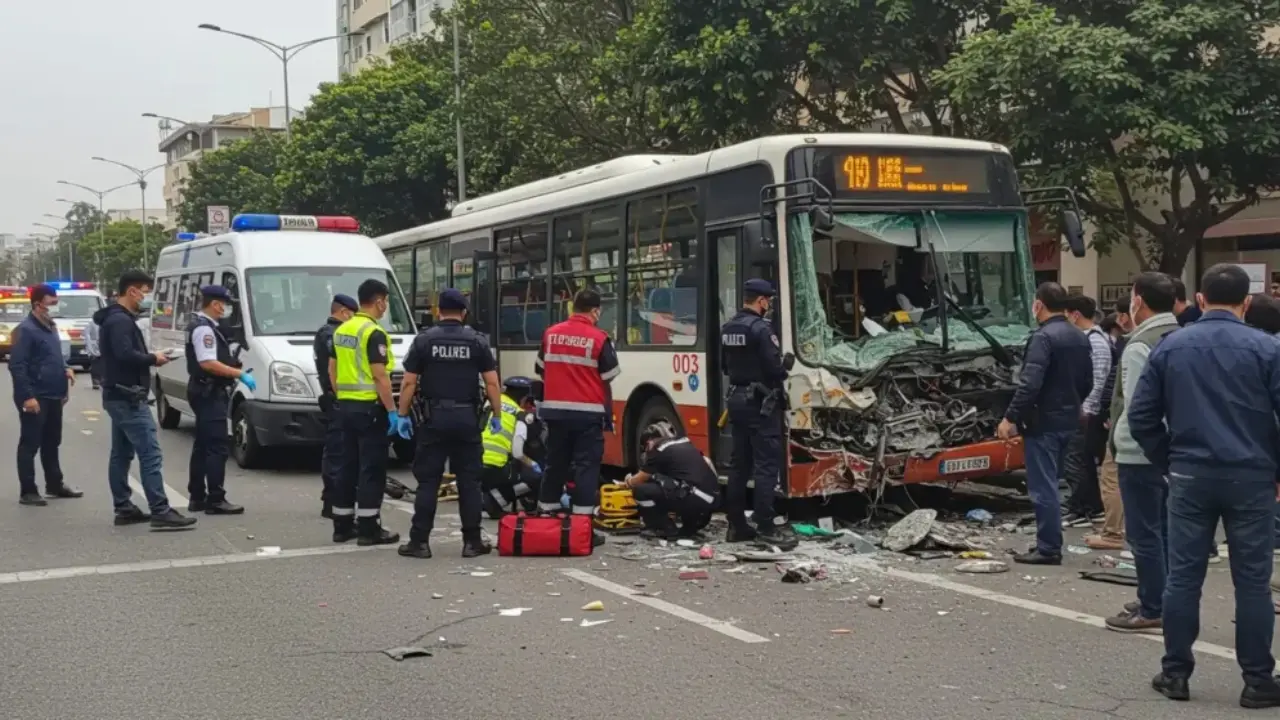
A bus crash can cause severe injuries, emotional stress, medical bills, and sudden changes in a victim’s daily life. A bus accident law firm helps injured passengers, drivers, pedestrians, cyclists, and families understand their legal rights after a collision involving public transit, school buses, tour coaches, airport shuttles, or private passenger carriers.
Bus cases often involve more legal and factual issues than ordinary car accident claims. Several parties may share responsibility, commercial safety rules may apply, and a government agency may own or operate the vehicle. For these reasons, early investigation and careful evidence collection can make a major difference.
Why Bus Accident Claims Can Be Complicated
A bus is larger and heavier than most passenger vehicles, so a collision can cause serious harm even at a moderate speed. Victims may suffer broken bones, head injuries, spinal injuries, internal damage, burns, cuts, or long-term pain.
Some people also develop anxiety, sleeping problems, or fear of travelling after the crash. These emotional effects may interfere with work, family activities, education, and normal daily routines.
The legal side can be equally complex. The driver may have caused the crash, but the bus company, maintenance contractor, parts manufacturer, local authority, school district, or another motorist may also be responsible.
A strong claim must identify every party whose careless actions contributed to the collision. Missing a responsible party may reduce the amount of compensation available to an injured person.
Federal rules can apply to interstate, for-hire passenger carriers, while state and local rules may govern city buses, school buses, and other transportation services. The Federal Motor Carrier Safety Administration provides passenger-carrier safety guidance and maintains information about commercial bus operators.
Streamate Lawsuit Explained: Key Insights and Legal Implications
What a Bus Accident Law Firm Does
A bus accident law firm investigates the collision, protects evidence, communicates with insurers, identifies liable parties, calculates losses, and prepares the case for settlement or trial.
Its role is not limited to completing legal paperwork. The legal team must build a clear explanation of how the accident happened, who caused it, and how the injuries affected the victim.
The investigation may include police reports, passenger statements, surveillance footage, onboard video, driver records, maintenance files, dispatch information, inspection reports, phone records, and electronic vehicle data.
Lawyers may also work with accident reconstruction experts, doctors, economists, vocational specialists, and transportation safety professionals. These experts can explain complicated evidence clearly and understandably.
A legal team may send preservation notices before important records are deleted, changed, lost, or overwritten. This step can be especially important when a bus contains cameras, GPS systems, electronic logs, or digital maintenance records.
Bus companies may only keep certain electronic information for a limited period. Starting an investigation early improves the chance of finding and protecting useful evidence.
Common Causes of Bus Accidents
Bus crashes can happen for many reasons. Driver distraction, speeding, fatigue, poor training, unsafe lane changes, failure to yield, and driving under the influence may cause a serious collision.
A driver may also lose control because of dangerous weather, poor road conditions, weak lighting, blocked traffic signs, or unsafe road design. In some cases, several causes work together.
Mechanical problems may create another source of liability. Worn brakes, damaged tyres, steering defects, broken lights, or missed inspections can turn a manageable situation into a major accident.
A maintenance company may share responsibility if it failed to complete required work or ignored a known safety problem. The bus operator may also be liable for allowing an unsafe vehicle to remain in service.
Passenger injuries do not always result from a collision. A sudden stop, unsafe turn, slippery floor, broken handrail, defective step, or careless boarding procedure can also cause harm.
FMCSA passenger guidance advises travellers to use handrails while boarding and to remain seated when possible while a motorcoach is moving.
Isotonix Lawsuit: Unveiling the Legal Disputes Surrounding the Brand
Who May Be Legally Responsible?
The bus driver may be liable when careless driving causes the crash. However, an employer may also bear responsibility when an employee causes an accident while performing work duties.
The company could face separate claims for poor hiring, weak training, unsafe scheduling, failure to supervise, or allowing an unqualified driver to operate the vehicle.
A repair shop or maintenance provider may be responsible when improper service contributes to the accident. Maintenance records may show whether technicians completed inspections and repairs at the correct times.
A manufacturer may face a product liability claim if a defective tyre, brake part, seat, door, steering component, or safety system caused or worsened the injuries.
Other motorists can also share fault. For example, a speeding car may strike a bus, force it off the road, or cause the driver to brake suddenly.
In some cases, a city, transit authority, school district, or other public body may own the bus. Claims involving public bodies can follow special procedures and may have shorter notice deadlines than ordinary injury claims.
When Should You Contact a Bus Accident Law Firm?
A victim should contact a bus accident law firm as soon as reasonably possible after receiving urgent medical care. Early legal help allows the investigation to begin while physical evidence, videos, witness memories, and company records remain available.
Waiting may make the case more difficult. Witnesses can forget details, vehicles may be repaired, road conditions may change, and electronic information may be deleted.
Time limits differ by state and by the type of defendant involved. Claims against a government body may require an administrative notice before the victim can start a lawsuit.
Federal claims can also follow special procedures. For example, the Federal Tort Claims Act generally requires a written claim to be submitted to the correct federal agency within two years, followed by a six-month filing period after a final denial.
These federal requirements do not apply to every bus case. State and local deadlines may be different and can sometimes be much shorter.
An injured person should not assume that the standard personal injury deadline controls a public transit or government bus claim. A lawyer licensed in the correct state can explain the exact deadline.
Evidence That Can Strengthen a Claim
Medical records are important because they connect the accident to the injuries and show the treatment a victim received. People should attend follow-up appointments and explain all symptoms to their healthcare providers.
Gaps in treatment may allow an insurance company to argue that the injuries were not serious. Following reasonable medical advice also helps the victim recover as safely as possible.
Photos and videos can show vehicle damage, road conditions, traffic signs, visible injuries, skid marks, debris, weather conditions, and the identification number of the bus.
A passenger should also save the ticket, travel confirmation, route information, payment receipt, and any communication received from the transportation company.
Witness details are valuable because independent passengers or bystanders may confirm how the driver behaved before the crash. Witnesses may have seen speeding, distraction, unsafe turning, or another important event.
Victims should keep copies of wage statements, receipts, invoices, medical bills, and transport costs. A written journal can also describe pain, missed activities, sleeping problems, and daily limitations.
How a Bus Accident Law Firm Builds the Case
A bus accident law firm first studies the facts and determines which laws, safety rules, insurance policies, and filing procedures apply.
The team then gathers evidence, interviews witnesses, reviews medical information, studies the accident scene, and examines the history of the bus and its operator.
FMCSA publishes recurring crash reports and provides tools for reviewing passenger-carrier safety information. Its public resources can help identify an interstate carrier and review available company data.
However, a complete legal investigation may require additional records obtained directly from the operator. Lawyers may request these records through formal legal procedures when a company refuses to provide them voluntarily.
The legal team also evaluates causation. It is not enough to show that someone broke a safety rule or made a mistake.
The evidence must connect the careless behaviour to the accident and the victim’s losses. A complete claim explains both legal responsibility and the value of the damages.
Compensation Available After a Bus Crash
Compensation depends on the law, available insurance coverage, the level of fault, and the strength of the evidence.
A victim may seek payment for emergency treatment, hospital care, surgery, rehabilitation, medication, therapy, future medical needs, and travel expenses related to treatment.
Lost income may be included when injuries prevent a person from working. The claim may cover wages lost during medical appointments, hospital stays, or recovery periods.
A serious injury can also reduce future earning ability. This may happen when a victim cannot return to the same job, must work fewer hours, or needs to move into a lower-paying position.
Non-economic damages may cover physical pain, emotional distress, disability, disfigurement, loss of normal activities, and reduced quality of life.
In a fatal accident, eligible family members may have a wrongful death claim for financial and personal losses. The exact damages available depend on the laws of the state where the claim is filed.
Dealing With Insurance Companies
An insurance adjuster may contact a victim soon after the collision. The adjuster may request a recorded statement, broad medical authorization, or quick settlement.
A fast offer can seem helpful when medical bills are growing. However, it may not include future treatment, long-term wage losses, permanent disability, or complications that have not yet become clear.
Victims should provide truthful information but avoid guessing about speed, distance, fault, or the full extent of their injuries. An inaccurate statement may later be used to challenge the claim.
They should also understand any release before signing it. A settlement agreement usually ends the right to seek additional payment for the same accident.
A lawyer can handle communication with insurers, review coverage limits, respond to document requests, and challenge unfair claims of blame.
This support can reduce pressure while the injured person focuses on medical treatment, family responsibilities, and recovery.
Choosing the Right Legal Team
Experience with commercial transportation and public-entity claims matters. A person should ask whether the firm has handled bus cases and understands the rules that apply to passenger carriers.
Potential clients can also ask how the firm investigates transportation companies, who will manage the case, and how often the legal team provides updates.
The fee agreement should be clear. Many personal injury firms use a contingency arrangement, meaning the legal fee is collected from a successful recovery instead of being charged by the hour.
Clients should still ask about case expenses, deductions, expert fees, and what happens if the case does not produce compensation.
Good communication is also important. The legal team should explain options in simple language, discuss possible risks honestly, and answer reasonable questions.
People should avoid firms that promise a guaranteed result. No responsible lawyer can know the final outcome before reviewing the facts, evidence, insurance coverage, and applicable law.
Steps to Take After a Bus Accident
First, seek emergency help and report the accident. Even when pain seems minor, a medical evaluation may identify injuries that are not immediately obvious.
Follow the treatment plan and keep every medical document. Inform the doctor if pain increases or new symptoms appear after the initial appointment.
Next, collect safe and available evidence. Photograph the scene, note the route and bus number, identify the operator, and obtain contact information from witnesses.
Do not place yourself in danger to take pictures or collect evidence. Emergency medical needs and personal safety should always come first.
Avoid posting detailed comments, accident photos, or statements about blame on social media. Insurance companies may review public posts and use them to question the seriousness of an injury.
Finally, keep all accident-related documents in one place and obtain legal guidance before important deadlines pass. Do not repair or discard damaged personal property that may help show the force of the impact.
Final Thoughts
A serious bus collision can involve multiple defendants, commercial regulations, public transportation procedures, and large insurance disputes. Careful investigation is essential because valuable videos, electronic data, maintenance records, and witness memories may disappear over time.
The right bus accident law firm can evaluate responsibility, preserve evidence, document the victim’s losses, and pursue fair compensation through negotiation or court. This article provides general U.S. information and does not replace advice from a licensed lawyer who can review the facts and laws of a specific case.