
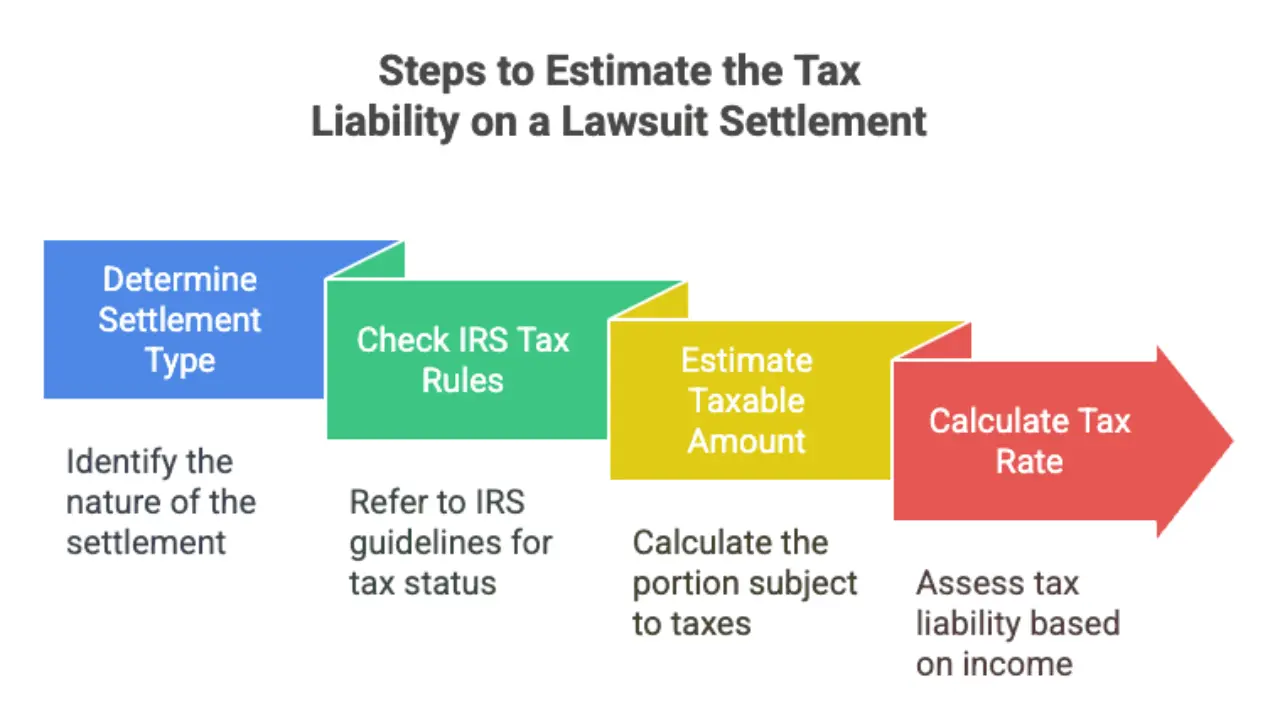
If you’ve recently received compensation from a legal claim, one of the first questions that may come to mind is: do you have to pay taxes on a lawsuit settlement? The answer is not always straightforward. Whether a settlement is taxable depends on the type of damages awarded, the purpose of the payment, and how the settlement agreement is structured.
Understanding the tax implications of a lawsuit settlement can help you avoid unexpected tax bills and ensure compliance with IRS regulations. In this guide, we’ll explain when lawsuit settlements are taxable, when they are not, and what you should know before filing your taxes.
Understanding Lawsuit Settlement Taxation
When people ask, do you have to pay taxes on a lawsuit settlement, they’re often surprised to learn that some settlement proceeds are taxable while others are exempt. The Internal Revenue Service (IRS) generally considers any income taxable unless a specific exclusion applies.
As a result, the tax treatment of your settlement depends on the nature of the claim that led to the payment. Different categories of damages receive different tax treatment under federal law.
Settlement Payments That Are Generally Not Taxable
One of the most important exceptions involves compensation for physical injuries or physical sickness.
If your settlement compensates you for medical expenses, pain and suffering related to physical injuries, or physical illness, those amounts are typically excluded from taxable income. For example, if you receive compensation after a car accident resulting in bodily injuries, that portion of the settlement is generally tax-free.
This is one reason why many individuals asking do you have to pay taxes on a lawsuit settlement receive the answer: “It depends.”
However, there are exceptions. If you previously claimed a tax deduction for medical expenses related to the injury and later receive reimbursement through a settlement, you may need to report that portion as income.
Streamate Lawsuit Explained: Key Insights and Legal Implications
Taxable Settlement Payments
Many types of lawsuit settlements are considered taxable income. Common examples include:
Lost Wages
If a settlement compensates you for lost wages or lost earnings, the IRS generally treats those payments the same way it would treat regular income from employment. This means the money may be subject to income taxes and potentially payroll taxes.
Emotional Distress
Compensation for emotional distress is often taxable unless the emotional distress directly resulted from a physical injury or illness. Standalone emotional distress claims usually do not qualify for the physical injury exclusion.
Punitive Damages
Punitive damages are intended to punish wrongdoing rather than compensate victims. In most cases, punitive damages are fully taxable, even when they arise from a physical injury case.
Interest on Settlements
If your settlement includes interest that accrued before payment, the interest portion is generally taxable. This amount must usually be reported as income on your tax return.
Therefore, when evaluating do you have to pay taxes on a lawsuit settlement, it’s essential to separate each component of the award.
Isotonix Lawsuit: Unveiling the Legal Disputes Surrounding the Brand
Employment Lawsuit Settlements
Employment-related settlements often create tax obligations. Claims involving wrongful termination, discrimination, harassment, unpaid wages, or retaliation frequently result in taxable compensation.
For example, back pay and front pay are generally taxable as wages. Other damages related to emotional distress may also be taxable depending on the circumstances.
Because employment settlements often involve multiple types of damages, understanding how each portion is classified is crucial. This is another reason why the question do you have to pay taxes on a lawsuit settlement requires a detailed review of the settlement agreement.
Personal Injury Settlements
Personal injury settlements receive some of the most favorable tax treatment under federal law.
If compensation is awarded for physical injuries or physical sickness, the settlement is generally excluded from taxable income. Medical expenses, pain and suffering, and related damages are usually tax-free when connected to physical harm.
However, punitive damages and interest payments may still be taxable even in personal injury cases.
People often assume all personal injury settlements are tax-free, but the reality is more nuanced. That’s why understanding do you have to pay taxes on a lawsuit settlement is so important before spending or investing the proceeds.
How Settlement Agreements Affect Taxes
The wording of a settlement agreement can significantly impact tax treatment.
Settlement agreements often allocate specific amounts to different categories of damages, such as medical expenses, lost wages, emotional distress, and punitive damages. Clear allocations can help establish the intended tax treatment of each payment component.
Courts and tax authorities may consider these allocations when determining whether certain portions of a settlement are taxable. As a result, carefully drafted settlement agreements can reduce uncertainty and help prevent future disputes.
When discussing do you have to pay taxes on a lawsuit settlement, tax professionals often emphasize the importance of reviewing settlement documents before signing them.
Reporting Settlement Income
If part of your settlement is taxable, you may receive tax forms such as Form 1099-MISC, Form 1099-NEC, or Form W-2, depending on the nature of the payment.
Even if you do not receive a tax form, you may still be required to report taxable settlement income on your federal tax return. Failure to do so can lead to penalties, interest charges, and potential audits.
Keeping detailed records of settlement documents, legal fees, correspondence, and payment breakdowns can help support your tax filings if questions arise later.
What About Attorney Fees?
Many lawsuit settlements involve attorney fees that are deducted before the plaintiff receives payment. Unfortunately, tax treatment of legal fees can be complicated.
In some situations, taxpayers may be required to report the full settlement amount as income, even if a portion was paid directly to their attorney. Certain deductions may be available depending on the type of claim, but the rules vary significantly.
Because attorney fee taxation can be complex, professional guidance is often advisable.
Tips for Managing Settlement Taxes
To minimize surprises after receiving a settlement:
- Review the settlement agreement carefully.
- Identify taxable and non-taxable components.
- Maintain complete documentation.
- Set aside funds for potential tax liabilities.
- Consult a qualified tax professional or CPA.
- Consider obtaining legal advice regarding the settlement structure.
These steps can help you manage your finances more effectively and avoid unexpected tax consequences.
Conclusion
So, do you have to pay taxes on a lawsuit settlement? The answer depends on the type of damages included in the settlement. Compensation for physical injuries is often tax-free, while lost wages, punitive damages, emotional distress damages, and interest payments are commonly taxable.
Because every case is unique, it’s important to analyze the specific details of your settlement. Understanding do you have to pay taxes on a lawsuit settlement before filing your taxes can save you money, reduce stress, and help ensure compliance with IRS requirements. When in doubt, consult a qualified tax professional who can evaluate your situation and provide personalized guidance.