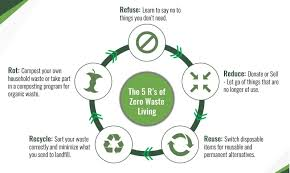
Every construction project starts with an inspiring vision – unfortunately, it often ends with a mountain of trash no one wants to claim. In case you missed the memo, the construction industry churns out an astonishing pile of global waste, most of which could have been stopped in its tracks by some clever planning. If you’re about to embark on a new build or a daring renovation, you have two goals: keep today’s junk out of tomorrow’s landfill and make sure your masterpiece lasts longer than the latest TikTok trend.
Now, don’t be fooled – sustainability in construction isn’t just about sprinkling around words like “eco-friendly” or splurging on gadgets that look good in brochures. It’s about being smart, accurate, and thinking ahead. Less waste means less money down the drain, since you’re not shelling out for stuff you don’t use or paying someone else to haul it away.
Select Materials for Endurance
Meet your first ally in the war on waste: durability. A material that needs replacing every decade is three times messier than the one that sticks around for thirty years. So, when you’re browsing for building blocks, ignore the cheap thrills of a low sticker price and ask yourself, “Will this still be around after flying cars become a thing?”
Champion the tough stuff – natural stone, top-notch concrete, and classic hardwoods usually stick it out longer than plastic imitations. Just don’t get taken in by composite materials unless you’re certain they won’t haunt a landfill centuries later. After all, a “forever” material that can’t be recycled only turns into forever waste. This isn’t to say that you can’t save money, because budget timber screw packages allow for this, but opt for packages that find the balance between quality and price.
And remember: easy living leads to greener living. Materials that need gallons of harsh chemicals to look presentable aren’t winning you any sustainability awards. Go for the options that get better with age and don’t demand a spa day every season.
Precision in Resource Calculation
Let’s address the industry’s guilty pleasure: over-ordering. It might feel safe to pad your supply orders “just in case,” but that’s how the “skip bin diet” gets out of control. Cut back on the guesswork and step into the age of laser-sharp calculations.
Whether you’ve got a digital modelling tool or just graph paper and determination, measure everything, twice if necessary. Mapping out your cuts on paper (or screen) isn’t just satisfying – it’s the key to minimising off-cuts and leftover shards.
If you do end up with extras, think of it as a creative prompt, not a trash emergency. Can your spare timber moonlight as blocking or fire stopping? Are those bricks itching to become a garden path? Give your leftovers a purpose before you buy, and you’ll sidestep the waste trap before it springs.
Embrace Circular Economy Principles
Welcome to the circular economy, where landfill isn’t on the guest list. For building projects, this means swapping demolition dreams for a disassembly state of mind.
Ask yourself: how easy is it to take this thing apart? Switching from adhesives to good old-fashioned screws and bolts means your materials can go on to a second (or third) act. Glue the floor down, and you’re sentencing that wood to life – or rather, afterlife – in the dump. Fasten it smartly, and it gets a shot at stardom elsewhere.
Better still, go scavenging for character-filled reclaimed materials. Salvaged timber from former glory-days buildings is often stronger and more charming than anything new, and it keeps perfectly good resources out of the landfill while saving a few trees in the process.
Future-Proof Your Project
Before you pick up that (hopefully recyclable) pen to sign off on your plans, pause for a checklist worthy of a project ninja. Double-check your measurements – no need for “just-in-case” surplus. Confirm that every material you pick is in it for the long haul and won’t need endless TLC. Make sure your assembly techniques leave room for future tinkering or easy salvage. And don’t forget to put leftovers and packaging on recycling duty, or give them a starring role in another on-site project.
Follow these steps and your construction project won’t just last – it’ll be the envy of waste-watchers and the future generations who inherit it (landfill not included)!