The law enforcement phonetic alphabet is one of the most important communication tools used by police officers, dispatchers, emergency responders, and other public safety professionals. It helps eliminate confusion when letters sound alike over radios, phones, or noisy environments.
Whether officers are reading license plates, suspect names, addresses, or vehicle identification numbers, the law enforcement phonetic alphabet ensures that every letter is understood correctly. This simple system reduces mistakes, improves response times, and enhances officer safety.
What Is the Law Enforcement Phonetic Alphabet?
The law enforcement phonetic alphabet is a standardized list of words assigned to each letter of the English alphabet. Instead of saying a single letter, officers say a corresponding word.
For example:
- A becomes Adam
- B becomes Boy
- C becomes Charles
This method prevents misunderstandings during radio communication, especially when background noise or weak signals make speech difficult to hear.
Police departments have relied on phonetic alphabets for decades because accurate communication can directly affect public safety.
Why Police Use a Phonetic Alphabet
Police officers often work in stressful situations where every second counts. A simple misunderstanding of one letter could delay emergency services or identify the wrong person.
Using the law enforcement phonetic alphabet provides several advantages:
- Improves radio clarity
- Reduces communication errors
- Speeds up dispatch operations
- Helps officers verify names and addresses
- Makes license plate readings more accurate
- Improves coordination between agencies
Even experienced officers rely on phonetic codes during daily operations because they provide consistency.
Streamate Lawsuit Explained: Key Insights and Legal Implications
Complete Law Enforcement Phonetic Alphabet
Many law enforcement agencies in the United States traditionally use the APCO phonetic alphabet rather than the NATO version.
| Letter | Police Word |
|---|---|
| A | Adam |
| B | Boy |
| C | Charles |
| D | David |
| E | Edward |
| F | Frank |
| G | George |
| H | Henry |
| I | Ida |
| J | John |
| K | King |
| L | Lincoln |
| M | Mary |
| N | Nora |
| O | Ocean |
| P | Paul |
| Q | Queen |
| R | Robert |
| S | Sam |
| T | Tom |
| U | Union |
| V | Victor |
| W | William |
| X | X-ray |
| Y | Young |
| Z | Zebra |
This version has been widely used in American policing for many years, although some agencies now use the NATO alphabet for better interoperability.
Common Situations Where Officers Use It
The law enforcement phonetic alphabet is used in many daily policing activities.
Reading License Plates
Dispatchers must receive vehicle information correctly. Officers spell each letter using phonetic words to avoid mistakes.
Example:
ABC-123 becomes:
Adam Boy Charles One Two Three
Verifying Names
If a witness gives the name “Brian,” an officer may spell it using:
Boy Robert Ida Adam Nora
This ensures the dispatcher records the correct spelling.
Reporting Addresses
Street names often sound similar over radios. Officers spell difficult names to prevent dispatch errors.
Criminal Record Searches
When checking databases, every letter must be entered accurately. The phonetic alphabet minimizes search mistakes.
Isotonix Lawsuit: Unveiling the Legal Disputes Surrounding the Brand
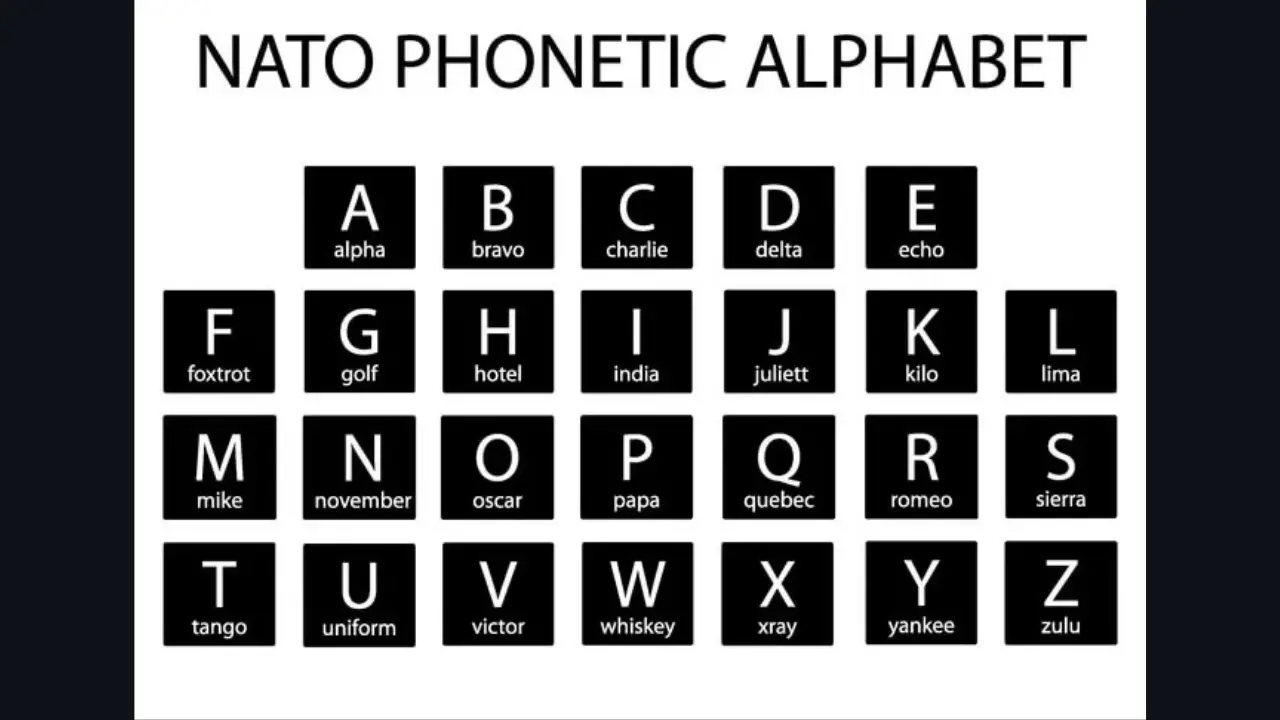
Difference Between Police and NATO Phonetic Alphabets
Many people confuse the police alphabet with the NATO phonetic alphabet.
Here is a comparison:
| Letter | Police (APCO) | NATO |
|---|---|---|
| A | Adam | Alfa |
| B | Boy | Bravo |
| C | Charles | Charlie |
| D | David | Delta |
| E | Edward | Echo |
| F | Frank | Foxtrot |
| G | George | Golf |
| H | Henry | Hotel |
The NATO alphabet is used internationally by military organizations, aviation, emergency services, and many federal agencies.
Some local police departments still prefer the APCO version because it has been part of officer training for generations.
Why Clear Communication Matters
Police radio transmissions often occur during emergencies involving heavy traffic, loud crowds, severe weather, or high-speed pursuits.
Without standardized communication, officers may misunderstand critical information.
Using the law enforcement phonetic alphabet helps reduce these risks by replacing single letters with distinct words that are easier to recognize.
Clear communication can improve response times and reduce potentially dangerous misunderstandings.
Is Every Police Department the Same?
Not always.
Although many departments use the APCO alphabet, others have switched to the NATO phonetic alphabet to improve communication with neighboring agencies, federal organizations, and emergency responders.
State police, sheriff’s offices, local police departments, and federal agencies may each follow different communication policies.
Officers are trained according to the standards used by their specific agency.
Tips for Learning the Law Enforcement Phonetic Alphabet
Learning the law enforcement phonetic alphabet is easier than many people expect.
Here are a few simple techniques:
- Practice five letters each day.
- Spell your own name aloud.
- Read license plates while driving as practice.
- Quiz yourself with flashcards.
- Listen to police scanner recordings for familiarization.
With regular practice, most people memorize the alphabet within a few weeks.
Who Uses the Law Enforcement Phonetic Alphabet?
Although it was created for police communication, many professionals also use it.
These include:
- Police officers
- Sheriff’s deputies
- Dispatch operators
- Emergency medical services
- Fire departments
- Security officers
- Search and rescue teams
- Some government agencies
Anyone who depends on accurate radio communication can benefit from learning the system.
Common Mistakes Beginners Make
People learning the law enforcement phonetic alphabet often make several mistakes.
One common error is mixing police words with NATO words. Another is forgetting less common terms like Ocean, Union, or Nora.
Some learners also speak too quickly, making the words harder to understand. Clear pronunciation and a steady speaking pace are just as important as memorizing the alphabet.
Regular practice helps eliminate these mistakes over time.
Conclusion
The law enforcement phonetic alphabet remains an essential communication tool for police officers and emergency responders. It improves clarity, reduces costly mistakes, and helps agencies exchange information quickly during both routine calls and critical emergencies.
Although some departments now use the NATO alphabet, many law enforcement agencies continue to rely on the traditional APCO version because of its long history and proven effectiveness. Learning the law enforcement phonetic alphabet is valuable not only for law enforcement professionals but also for dispatchers, security personnel, emergency responders, and anyone interested in public safety communications.